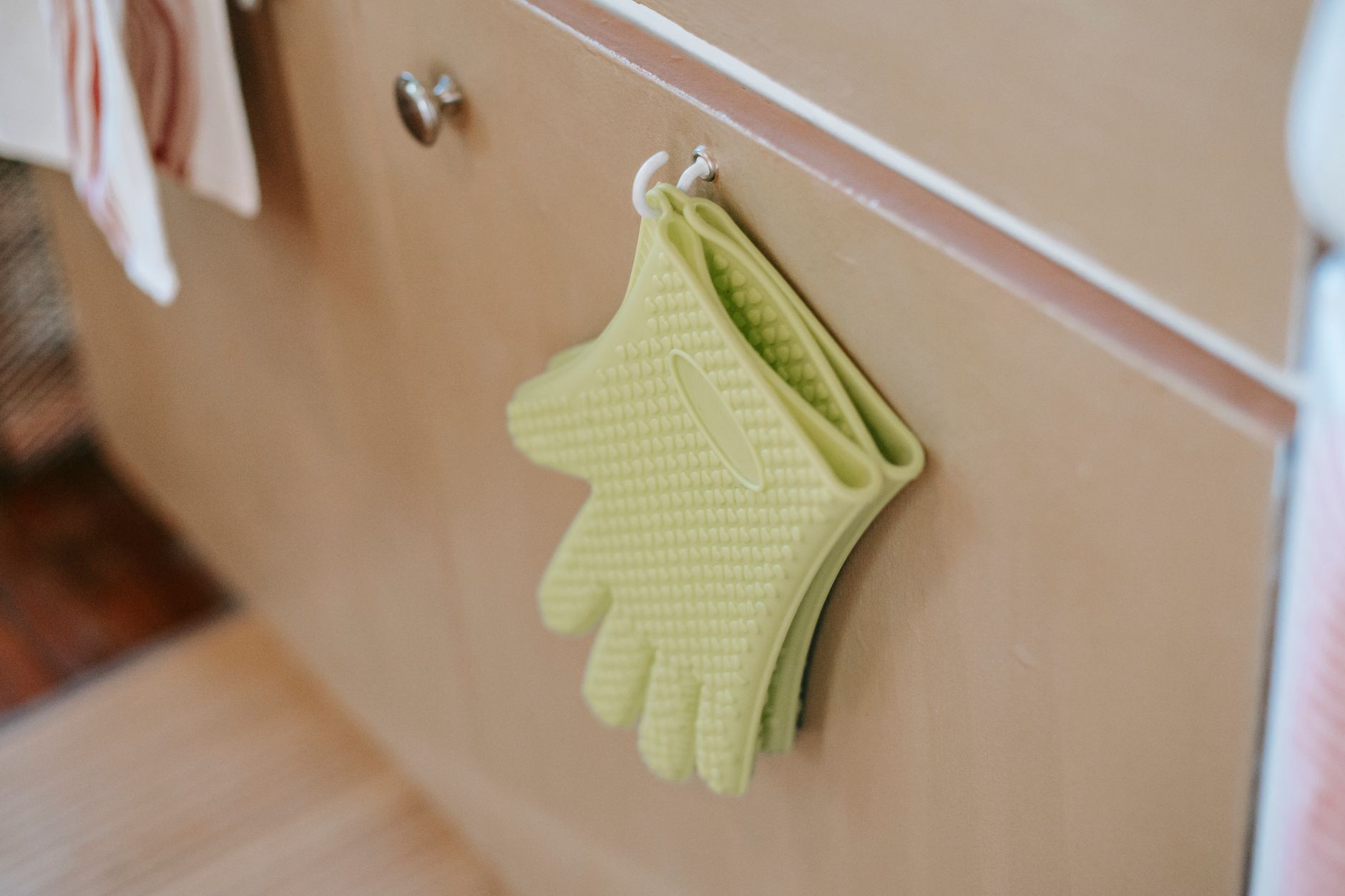
The Philosophy of Natural Home Cleaning
In an era where modern homes are often filled with synthetic fragrances and harsh chemical detergents, the movement toward "green" cleaning is not just a trend—it is a lifestyle change that prioritizes indoor air quality and environmental stewardship. Implementing Natural Home Cleaning Hacks & Kitchen Stain Removal DIY accessories is about returning to basics. By utilizing simple, non-toxic household staples, you can achieve a level of cleanliness that rivals—and often outperforms—store-bought brands.
The secret to success lies in understanding the pH balance of your cleaning agents. Acidic solutions (like vinegar and lemon juice) work wonders on mineral deposits and soap scum, while alkaline agents (like baking soda and castile soap) are unparalleled at breaking down fats, oils, and organic stains.
Essential Natural Cleaning Agents You Need
Before discussing accessories, we must establish your "pantry of power." Every efficient DIY cleaning station should be stocked with these five pillars:
- White Distilled Vinegar: The ultimate disinfectant and descaler.
- Baking Soda (Sodium Bicarbonate): A mild abrasive that neutralizes odors and lifts stubborn kitchen grime.
- Castile Soap: A plant-based surfactant that acts as the backbone for DIY soap sprays.
- Hydrogen Peroxide: The safest natural bleach for sanitizing surfaces and removing deep-set stains on light-colored materials.
- Essential Oils (Lemon, Tea Tree, Eucalyptus): Used for their natural antibacterial properties and aromatic benefits.
Recommended Accessories to Enhance Your DIY Setup
While your chemistry is important, the tools you use define your efficiency. Many DIY enthusiasts fail because they use poor-quality tools that spread grime rather than lifting it. To optimize your natural home cleaning hacks & kitchen stain removal DIY accessories, invest in these specific categories of equipment.
High-Grade Microfiber Cloths
Microfiber is a game-changer. Unlike cotton rags, split-fiber microfiber has a positively charged surface that attracts negatively charged dust and bacteria. For a comprehensive setup, maintain color-coded cloths: blue for glass, yellow for general dusting, and red for high-traffic kitchen areas to prevent cross-contamination.
The Power of Bamboo Brushes
Plastic sponges harbor bacteria and eventually end up in landfills. Opt for FSC-certified bamboo brushes with tampico or palmyra bristles. These are heat-resistant and stiff enough to scrub burnt-on stove stains without scratching your cooktop surfaces.
Glass Spray Bottles with Silicone Sleeves
Always store your DIY cleaners in high-quality glass. Vinegar and citrus oils can break down low-quality plastic over time, leading to chemical leaching. A thick glass bottle with a silicone protective sleeve ensures your cleaning solution remains stable and your tools are protected from accidental drops.
Comparison Table: DIY Accessories vs. Traditional Cleaning Tools
| Feature | Natural DIY Accessories | Conventional Tools |
|---|---|---|
| Material | Bamboo, Glass, Cotton/Microfiber | Plastic, Polyester, Synthetic Sponges |
| Sustainability | Highly Biodegradable/Reusable | High Waste; Plastic Microfibers |
| Durability | Long-lasting (1-3 years) | Short-lived (Weeks) |
| Chemical Safety | Inert (Safe with Vinegar/Acids) | Potential Leaching/Reactions |
| Scrubbing Power | High (Mechanical action) | Medium (Dependent on chemicals) |
Kitchen Stain Removal: Deep-Dive Strategies
Kitchen stains are often the most difficult to manage because of the variety of substances involved: grease, scorched sugar, acidic tomato sauce, and coffee.
The "Dwell Time" Technique
When dealing with a kitchen stain, do not scrub immediately. The most effective hack is the "paste and dwell" method. Mix baking soda with a tiny bit of water to create a thick paste. Apply it to the stain and let it sit for at least 30 minutes. The baking soda will lift the grease into the paste, which you can then easily wipe away with a damp microfiber cloth.
Removing Burnt-On Stovetop Residue
For glass or enamel stovetops, spray a light mist of white vinegar over the baking soda paste. The resulting fizzing reaction is not just for show; it creates a mechanical lifting action that loosens burnt residue from the surface, allowing you to buff it away with a soft scrub brush without needing harsh chemical degreasers.
Maintenance and Care for Your Cleaning Tools
Your natural cleaning accessories are only as effective as the care you provide them. To ensure your tools stay in peak condition:
- Boil your brushes: Once a month, boil your wooden/bamboo brushes in water with a tablespoon of vinegar to sterilize the bristles.
- Launder microfiber correctly: Wash microfiber cloths separately from other linens. Avoid fabric softeners, as they clog the fibers and render the cloths ineffective.
- Dry thoroughly: Never store brushes in a damp container. Always hang them or place them in an open basket to allow for complete airflow.
Building Your Long-Term Cleaning Routine
Consistency is the final piece of the puzzle. By integrating these natural cleaning hacks into your daily routine, you move away from "deep cleaning" marathons and toward a state of constant, effortless maintenance. Keep your spray bottles pre-mixed and your brushes within arm's reach of the kitchen sink. When a mess is addressed immediately with a natural agent, it rarely becomes a "stain" that requires industrial-strength intervention.