The Shift Toward Natural Home Cleaning: Why DIY Matters
In an era where commercial cleaning products are often laden with volatile organic compounds (VOCs), phthalates, and synthetic fragrances, the shift toward natural home cleaning hacks is more than a trend—it is a lifestyle necessity. Learning how to choose natural home cleaning hacks & kitchen stain removal DIY solutions allows you to take control of the chemistry within your four walls.
When you strip away the aggressive chemicals, you are left with simple, effective, and sustainable building blocks. However, the efficacy of these hacks depends entirely on understanding the "why" behind the mixture. Whether you are battling a scorched stovetop or yellowing tile grout, the key is matching the right natural agent to the specific molecular structure of the stain.
The Chemistry of Clean: Choosing the Right Ingredients
To become proficient in DIY cleaning, you must categorize your supplies into three primary functions: acidic, alkaline, and abrasive.
Acidic Agents for Mineral Deposits
White vinegar (5% acetic acid) and lemon juice (citric acid) are your best friends when dealing with hard water stains, soap scum, and mineral buildup. These ingredients work by lowering the pH of the stain, effectively dissolving calcium and magnesium deposits.
Alkaline Agents for Greasy Residues
Baking soda (sodium bicarbonate) and washing soda are alkaline. They excel at breaking down fats, oils, and proteins. If your kitchen stovetop is coated in a sticky layer of cooking grease, an acidic cleaner will do little to help; you need the degreasing power of an alkaline paste.
Abrasive Tools for Mechanical Action
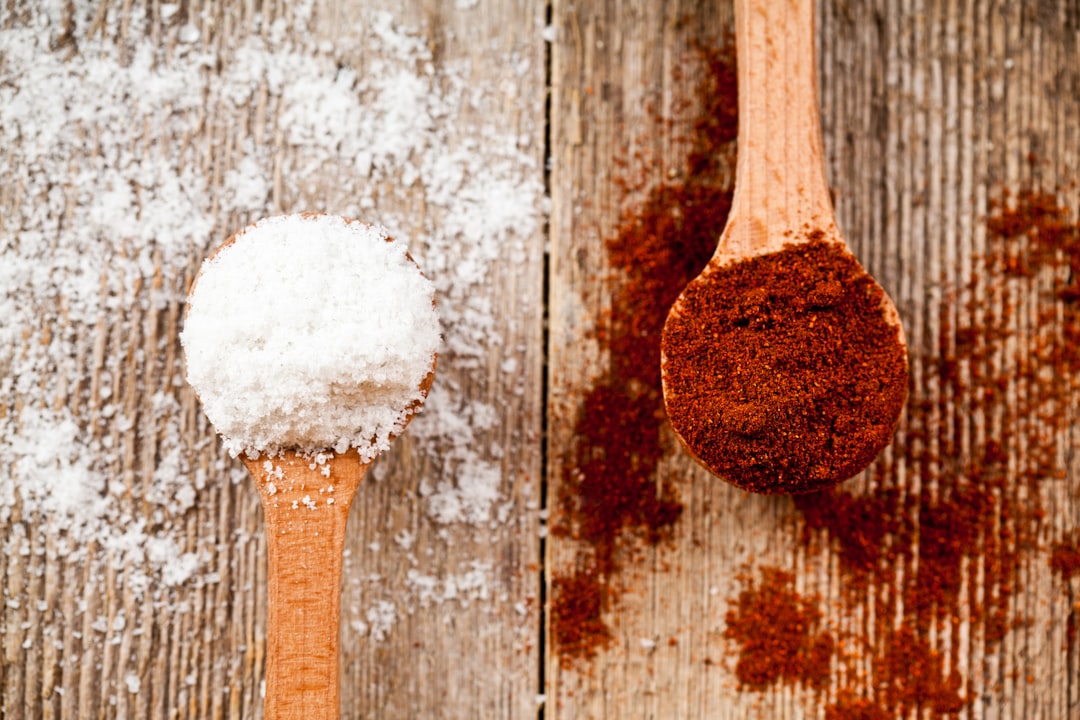
Sometimes chemistry needs a physical boost. Salt (coarse sea salt) and specialized scrubs provide the friction necessary to lift stubborn debris without scratching delicate finishes.
How to Choose the Right Brand and Model for Natural Home Cleaning Hacks & Kitchen Stain Removal DIY
While the "DIY" aspect implies mixing at home, you still need to purchase raw materials and equipment. How you choose these products dictates the success and longevity of your cleaning regimen.
When buying raw materials like essential oils, Castile soap, or vinegar, look for:
- Purity: Choose distilled white vinegar rather than apple cider vinegar, as the latter contains sugars that can attract bacteria.
- Concentration: Ensure Castile soap is high-quality and concentrated; look for brands that prioritize plant-based oils (like olive or coconut) without added synthetic surfactants.
- Sustainability: Opt for bulk sizes to reduce plastic waste, which aligns with the eco-friendly ethos of natural cleaning.
Essential Equipment, Tools & Buyer Guides
The success of your DIY cleaning isn't just about the recipe; it’s about the tools you use to apply it. Using the wrong brush or cloth can result in permanent scratches or incomplete removal of stains.
The Microfiber Revolution
Microfiber is the gold standard for natural cleaning. Its structure allows it to pick up microscopic particles that cotton cloths simply push around. When choosing microfiber, look for a high "gsm" (grams per square meter) count, which indicates density and better absorbing power.
Choosing the Right Brushes
For kitchen stain removal, avoid steel wool on high-end surfaces like stainless steel or induction glass. Instead, invest in:
- Bamboo-handled scrub brushes: These are biodegradable and offer varying stiffness for different surfaces.
- Natural bristle brushes: Excellent for getting into crevices without damaging delicate wood or tile.
- Silicone scrapers: Perfect for lifting stuck-on bits from non-stick surfaces without causing damage.
| Cleaning Challenge | Ideal Natural Agent | Tool Selection |
|---|---|---|
| Hard Water Stains | White Vinegar | Microfiber Cloth |
| Stove Grease | Baking Soda Paste | Bamboo Scrub Brush |
| Marble Etching | Gentle Dish Soap | Soft Cotton Cloth |
| Tile Grout | Hydrogen Peroxide/Soda | Old Toothbrush |
| Oven Residue | Washing Soda/Water | Silicone Scraper |
Actionable Steps for Safe Kitchen Stain Removal
- Assessment: Identify the surface type. Natural stone (marble/granite) reacts poorly to acids like lemon or vinegar. For these surfaces, stick to pH-neutral cleaners like mild Castile soap.
- The Patch Test: Before applying any mixture, test it on a hidden area of the surface. Wait at least 10 minutes to ensure there is no discoloration or dulling.
- Application: Apply your DIY paste or spray. For stubborn stains, allow the solution to "dwell." Dwell time is the most overlooked secret in professional cleaning—let the chemistry do the work for 15-20 minutes.
- Mechanical Removal: Use the appropriate tool (brush or cloth) to scrub the area in a circular motion.
- Rinse and Buff: Always rinse away residue with water and buff dry to prevent streaks.
Common Pitfalls and How to Avoid Them
The most common mistake when adopting natural hacks is the assumption that "natural" means "gentle enough for everything." Even natural substances can be destructive if misused. For instance, leaving vinegar on stone surfaces for too long can "etch" them, permanently removing the polish.
Furthermore, never mix vinegar and hydrogen peroxide in the same container. While both are excellent cleaners individually, mixing them creates peracetic acid, which is corrosive and can irritate the skin and lungs. Stick to sequential cleaning: clean with one, rinse, then clean with the other.
Long-Term Maintenance: Building Your Cleaning Arsenal
To sustain a natural home, curate your cleaning supplies like a pro. Keep a dedicated cabinet for your DIY supplies: glass spray bottles (essential for preserving the integrity of essential oils), jars for baking soda, and a designated basket for your microfiber cloths and bamboo brushes. By organizing your tools and ingredients, you transition from "experimenting with hacks" to "mastering a natural cleaning workflow."