Introduction to Natural Home Cleaning
Why Go Natural?
Natural home cleaning has surged in popularity as households seek to reduce exposure to synthetic chemicals and minimize environmental impact. By leveraging ingredients like vinegar, baking soda, and citrus, you can achieve a deep clean without compromising health or sustainability. This approach not only cuts costs but also empowers you with the knowledge to tailor solutions to specific household challenges, from stubborn kitchen grease to delicate surfaces.
The Science of Stain Removal
Stain removal hinges on understanding the chemistry of soils and fibers. Organic stains, such as food or grease, require emulsification or oxidation to break down molecules, while mineral deposits like hard water stains demand acid-based dissolution. Natural agents like white vinegar (acetic acid) and baking soda (sodium bicarbonate) act as mild acids and bases, respectively, enabling targeted reactions. For instance, vinegar's low pH dissolves alkaline scale, while baking soda's mild abrasion lifts particles without scratching surfaces.
Essential Equipment and Tools for Natural Cleaning
Comparison Table: Natural Cleaning Tools Technical Specifications
| Tool | Material | Key Specifications | Best For | Durability |
|---|---|---|---|---|
| Microfiber Cloth | Synthetic fibers (80% polyester, 20% polyamide) | 300-400 GSM weight, split fibers for static charge | Dusting, glass cleaning, general wiping | High, machine washable up to 200 cycles |
| Cotton Rag | 100% cotton, woven or terry | Absorbent, lint-free options available | Heavy-duty scrubbing, spill absorption | Medium, degrades after 50 washes |
| Natural Sponge | Cellulose or sea sponge | Porous structure, biodegradable | Dishwashing, light surface cleaning | Low, replace every 3-6 months |
| Scrub Brush | Bamboo handle, nylon bristles | Stiff bristles (0.3mm diameter), ergonomic grip | Scrubbing sinks, pots, grout | High, bristles last 1-2 years |
| Spray Bottle | PET plastic or borosilicate glass | 500ml capacity, trigger nozzle with adjustable mist | Dispensing liquid cleaners, precise application | High, but plastic may crack over time |
Microfiber Cloths vs. Cotton Rags
Microfiber cloths excel in trapping dust and grease due to their electrostatic properties, making them ideal for delicate surfaces like stainless steel or glass. However, they require washing in warm water without fabric softener to maintain efficacy. Cotton rags, while less effective on fine dust, offer superior absorbency for liquid spills and are compostable at end-of-life. For kitchen tasks, keep both on hand: microfiber for polishing and cotton for initial wipe-downs.
Spray Bottles and Dispensers
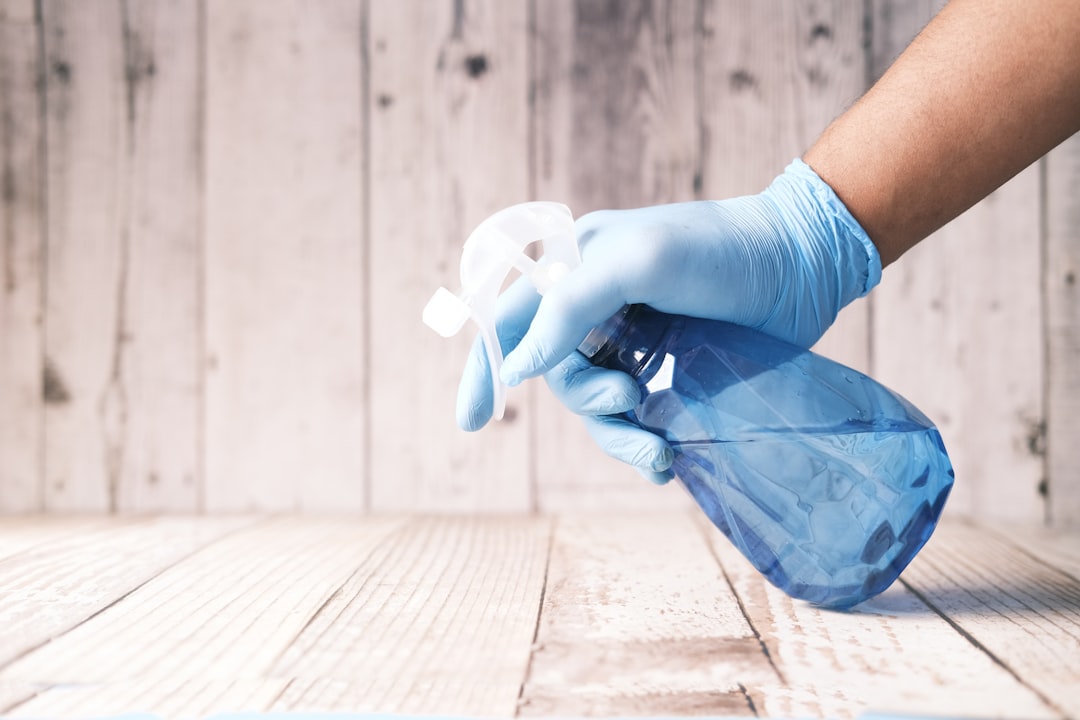
When selecting spray bottles, opt for glass to avoid chemical leaching, especially for acidic solutions like vinegar-based cleaners. Ensure the nozzle produces a fine mist to conserve product and prevent pooling. Label each bottle with contents and dilution ratios—e.g., "All-Purpose: 1:1 vinegar to water"—to prevent confusion. Consider heavy-duty triggers with locking mechanisms for prolonged use.
Scrub Brushes and Brooms
For kitchen scrubbing, choose brushes with replaceable heads to reduce waste. Bristle stiffness matters: nylon bristles resist acid damage, while natural fibers may degrade. Pair with a broom featuring static-charged bristles for floor debris, and consider a steam mop for sealed surfaces, which uses only water for sanitization.
DIY Natural Cleaning Solutions
All-Purpose Cleaner Recipe
Combine 2 cups of white vinegar, 10 drops of essential oil (e.g., lemon or tea tree for antimicrobial properties), and 1 cup of water in a spray bottle. Shake before use. This solution cuts grease and disinfects surfaces; test on granite or marble first, as vinegar can etch natural stone.
Vinegar-Based Solutions
Vinegar's acetic acid concentration (typically 5-8%) makes it effective against mold and mildew. For grout cleaning, create a paste with baking soda and water, spray with vinegar, and let fizz for 10 minutes before scrubbing. Dilute vinegar 1:1 with water for wood floors to prevent damage.
Baking Soda Pastes
Mix 3 parts baking soda with 1 part water to form a thick paste. Apply to burnt-on food in pans, let sit for 15 minutes, then scrub. Baking soda's mild abrasiveness (Mohs hardness 2.5) removes residues without scratching non-stick coatings. For deodorizing, sprinkle in refrigerators or garbage cans.
Kitchen Stain Removal: Technical Specifications
Grease Stains
Grease requires surfactants to emulsify. Apply a drop of dish soap (natural, plant-based) directly to the stain, agitate with a microfiber cloth, and rinse with hot water. For set-in grease, use a paste of baking soda and water, followed by a vinegar spray to break down residues.
Tomato Sauce and Food Stains
Enzymatic action is key. Cover the stain with a mixture of 1 tablespoon of hydrogen peroxide (3% solution) and 1 teaspoon of baking soda. Let sit for 5 minutes, then blot with a damp cloth. Avoid heat, as it can set protein-based stains.
Hard Water Stains
These calcium and magnesium deposits dissolve in acids. Spray undiluted white vinegar onto affected areas, let stand for 10 minutes, then scrub with a nylon brush. For severe buildup, use a commercial citric acid solution (1:10 ratio with water) for stronger dissolution.
Burnt-on Food
Soak the pan in a solution of 1 part vinegar to 2 parts water, bring to a simmer, and let cool. Alternatively, use a paste of baking soda and water, applying directly to cooled surfaces. For cast iron, avoid vinegar to prevent rusting; instead, use salt as an abrasive.
Advanced Techniques and Equipment
Steam Cleaners for Natural Cleaning
Steam cleaners utilize high-temperature vapor (100-150°C) to sanitize without chemicals. Look for models with adjustable steam settings and a heat-resistant hose. Technical specs include a water tank capacity of at least 500ml and a heating time under 2 minutes. Use with microfiber pads for floors or detail nozzles for grout.
Vacuum Cleaner Specifications for Allergen Reduction
Choose vacuums with HEPA filters capturing 99.97% of particles as small as 0.3 microns. For kitchens, prioritize models with sealed systems and motorized brush rolls to agitate carpets. Cordless options with lithium-ion batteries (20-30V) offer flexibility, while bagged models reduce exposure to dust.
Maintenance and Safety
Proper Storage of Natural Cleaners
Store vinegar-based solutions in dark glass bottles to prevent degradation from light. Label with dates; most DIY cleaners last 3-6 months. Keep baking soda in airtight containers to avoid clumping. Separate acids and bases to prevent accidental reactions.
Safety Precautions with Acids and Bases
Wear gloves when handling vinegar or hydrogen peroxide to prevent skin irritation. Never mix vinegar with bleach, as it produces toxic chlorine gas. Ensure ventilation when using essential oils, and keep out of reach of children. For eye contact, flush with water for 15 minutes.
Conclusion
Natural home cleaning is not just a trend but a practical, science-backed approach to maintaining a healthy living space. By understanding the technical specifications of your tools and the chemistry of DIY solutions, you can tackle any kitchen stain with confidence. Embrace these hacks to reduce your carbon footprint while achieving professional-grade results.